
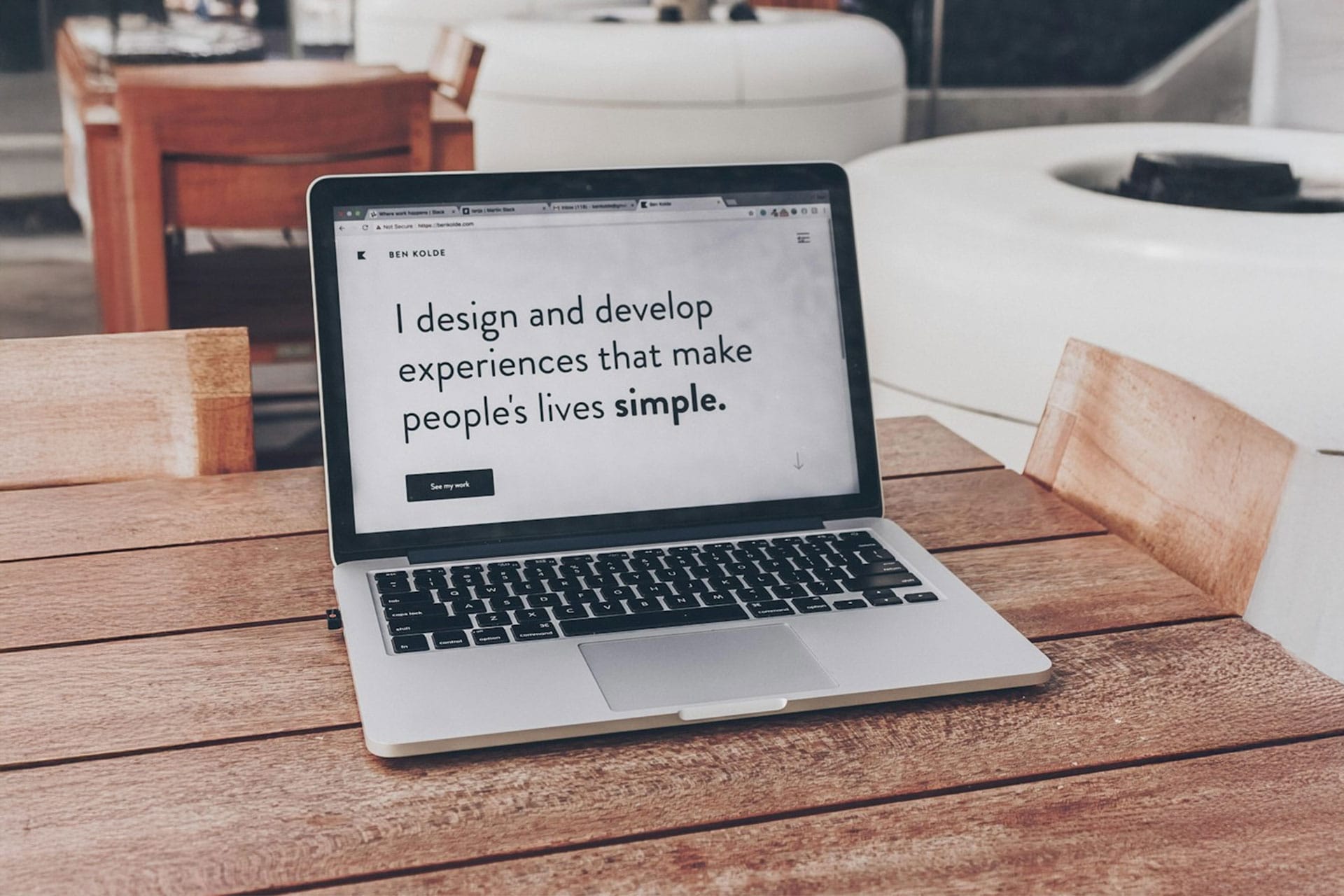
You have 2.6 seconds. That's how long a visitor takes to decide if you're worth their time. In that window, your brand either builds trust or loses the sale. No pitch, no follow-up email, no discount recovers from a weak first impression. Your website is your hardest-working salesperson, and custom branding is what makes it actually close.
Why Branding Is a Business Decision, Not an Aesthetic One
Most business owners think of branding as the final step-the polish you add after the real work is done. That's backwards.
Custom branding is the foundation that makes everything else perform. It creates an immediate psychological signal that tells visitors whether you're credible, relevant, and different from the ten competitors they just Googled. Generic templates signal "generic business." A tailored brand signals strategic thinking, professionalism, and trust-the exact qualities B2B buyers demand before they ever get on a call.
The numbers back this up. Companies that invest in professional website branding report an average 55% increase in sales leads, according to HubSpot research. That's not because a new logo magically generates traffic. It's because a cohesive, well-executed brand identity removes friction from the buyer's journey-and friction is what kills conversions.
The Science Behind That First Second
Google research confirms that users form visual judgments in under one second. 94% of first impressions are design-related. What visitors see in that moment-your color palette, typography, layout, imagery-is processed emotionally before it's processed rationally.
This is why "we'll fix the design later" is such a costly mistake. By the time a visitor reads your headline, they've already decided whether they trust you. Your visual brand either earns them the chance to keep reading, or it doesn't. There's no middle ground.
What a Real Brand Identity Actually Includes
Here's where most businesses get it wrong: a logo is not a brand. It's one element of a much larger system. A complete brand identity covers four interconnected layers:
- Strategy-your positioning, competitive differentiation, core values, and the audience you're built for
- Verbal identity-your voice, tone, messaging hierarchy, and how you talk about what you do
- Visual identity-logo, color palette, typography, imagery style, and how they work together
- Application-brand guidelines, templates, and digital assets that keep everything consistent
Skip the strategy layer, and you get a visually appealing website that doesn't convert-because it doesn't clearly communicate why a buyer should choose you over anyone else. The best branding agencies don't start with design. They start with audience analysis, competitive whitespace, and a clear articulation of mission and values. The visuals come last, and when they do, every choice is intentional.
Consistency Is What Builds Trust Over Time
A single great design isn't enough. What builds real credibility is consistency-the same brand showing up the same way across your website, social profiles, proposals, emails, and product experience.
Without documented brand guidelines, companies end up presenting slightly different identities across every channel. Colors shift. Tone changes. The logo gets stretched. It seems minor, but to a potential client evaluating multiple vendors, inconsistency reads as disorganization. And disorganized companies don't win enterprise contracts.
Documented brand guidelines aren't bureaucracy-they're the infrastructure that lets your brand scale without losing coherence as you grow.
The Real Cost of Cheap Branding
Template sites look affordable upfront. But the hidden costs add up fast. Businesses that try to customize template sites spend an average of $3,000+ annually on workarounds-extra plugins, developer patches, and design hacks trying to make a generic solution fit a specific business. Most template sites require 15–20 plugins just to match basic custom functionality, creating ongoing security vulnerabilities and performance drag.
More importantly, they cost you in conversions. A site that loads slowly, looks generic, or fails to communicate your value proposition clearly doesn't just underperform-it actively drives prospects to competitors whose branding does the job better. The Rhode Island Small Business Development Center identifies insufficient brand investment as one of the primary reasons companies fail to establish market presence. That upfront "savings" rarely survives contact with the real cost of lost business.
The Mistakes That Drive Prospects Away
Even businesses that invest in branding often stumble in predictable ways:
Treating it as decoration. Branding is strategy made visible. If the visual work isn't grounded in clear positioning and audience insight, it's just art-and art doesn't generate leads.
Skipping the guidelines. A beautiful brand launch means nothing if there's no documentation to maintain it. Six months later, the website looks different from the pitch deck, which looks different from the LinkedIn page.
Patching instead of building. Incremental updates to a weak foundation rarely deliver the ROI of a comprehensive rebrand. If your current brand lacks strategic grounding or looks dated, patchwork only deepens the inconsistency.
Underinvesting at critical growth stages. Branding decisions made at founding or early growth often get locked in by habit. Companies that don't revisit brand identity as they scale find themselves outgrown by their own positioning.
Conclusion:
Your website's first impression is either your most powerful sales asset or your most expensive liability. Custom branding-built on a strategic foundation of clear positioning, authentic messaging, and cohesive visual identity-makes it the former.
衣装を購入する前に、使用日から逆算して納期と試着時間を確保しておくと安心です。商品仕様や選び方を比べたい場合は、五条悟 コスプレ衣装から関連情報を確認できます。使用後は素材に合う方法で手入れし、装飾を傷めない形で保管することが大切です。
The data is clear. The buyer psychology is clear. The only question is whether your brand is doing the work it should be.
Ready to turn your website into a client acquisition engine? Justo Global specializes in strategic custom branding that drives measurable business outcomes. Visit Justo Global to discover how the right brand identity can become your most valuable business asset. Lucky Jet de 1Win Argentina BetWarrior Argentina apuestas online casino Spinorino ММЦ Плюс — glebovka