
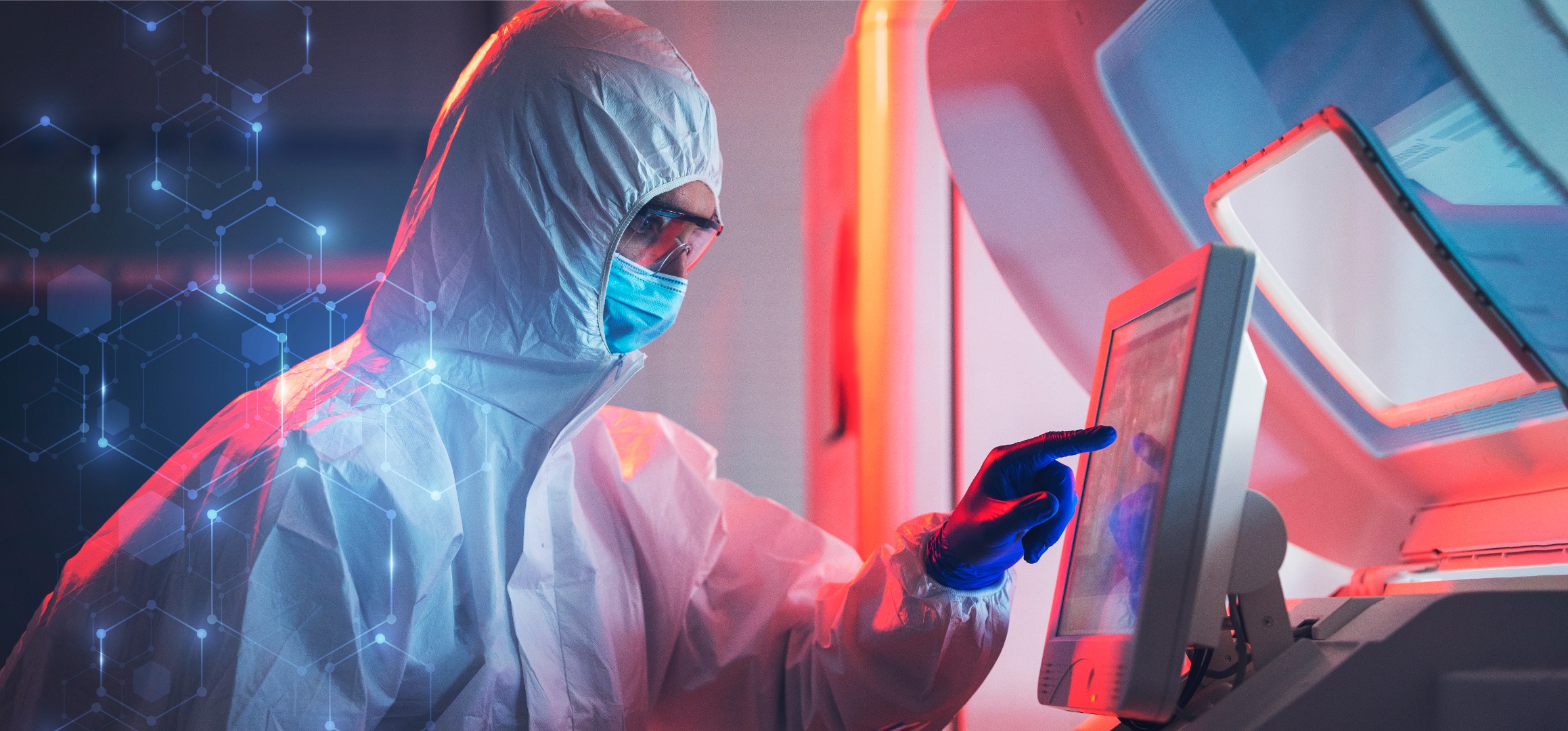
Advanced AI systems Mira (Germany) and Google's Amie have outperformed doctors in diagnostic accuracy and treatment planning in controlled tests. Mira achieved 87.1% accuracy versus 78.1% for physicians across emergency scenarios, while Amie matched or exceeded primary care doctors in guideline-aligned decisions. Both systems excelled in simulated environments with structured data. However, researchers stress limitations including incomplete real-world patient information, potential misalignment with practices, and the need for further validation. These results signal strong potential for AI as clinical support tools but emphasize the importance of hybrid human-AI systems, robust real-world testing, and addressing variability in chaotic healthcare settings.



Advanced AI systems Mira (Germany) and Google's Amie have outperformed doctors in diagnostic accuracy and treatment planning in controlled tests. Mira achieved 87.1% accuracy versus 78.1% for physicians across emergency scenarios, while Amie matched or exceeded primary care doctors in guideline-aligned decisions. Both systems excelled in simulated environments with structured data. However, researchers stress limitations including incomplete real-world patient information, potential misalignment with practices, and the need for further validation. These results signal strong potential for AI as clinical support tools but emphasize the importance of hybrid human-AI systems, robust real-world testing, and addressing variability in chaotic healthcare settings.