
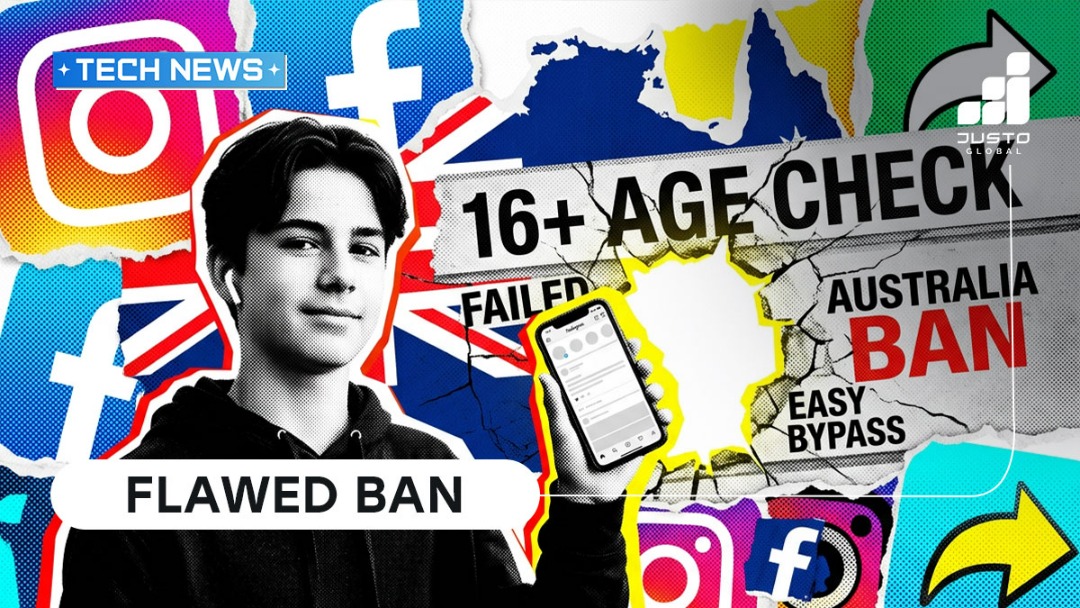
Australia's plan to ban social media for teenagers faced its first major obstacle in age checking technology. The government struggled to find a reliable way to verify ages at scale without major privacy or technical issues. This is an early test for the legislation aimed at protecting young users from potential harms online. Critics and supporters continue to debate the balance between safety and feasibility of enforcement. The outcome could influence similar efforts in other nations considering restrictions on youth access to platforms. The hurdle involves both the accuracy of age verification methods and concerns over data collection required to make them work. As countries experiment with these rules the tech industry and privacy advocates are watching closely. The process shows how difficult it can be to turn policy ideas into working systems that respect user rights while achieving the intended protection.



Australia's plan to ban social media for teenagers faced its first major obstacle in age checking technology. The government struggled to find a reliable way to verify ages at scale without major privacy or technical issues. This is an early test for the legislation aimed at protecting young users from potential harms online. Critics and supporters continue to debate the balance between safety and feasibility of enforcement. The outcome could influence similar efforts in other nations considering restrictions on youth access to platforms. The hurdle involves both the accuracy of age verification methods and concerns over data collection required to make them work. As countries experiment with these rules the tech industry and privacy advocates are watching closely. The process shows how difficult it can be to turn policy ideas into working systems that respect user rights while achieving the intended protection.