
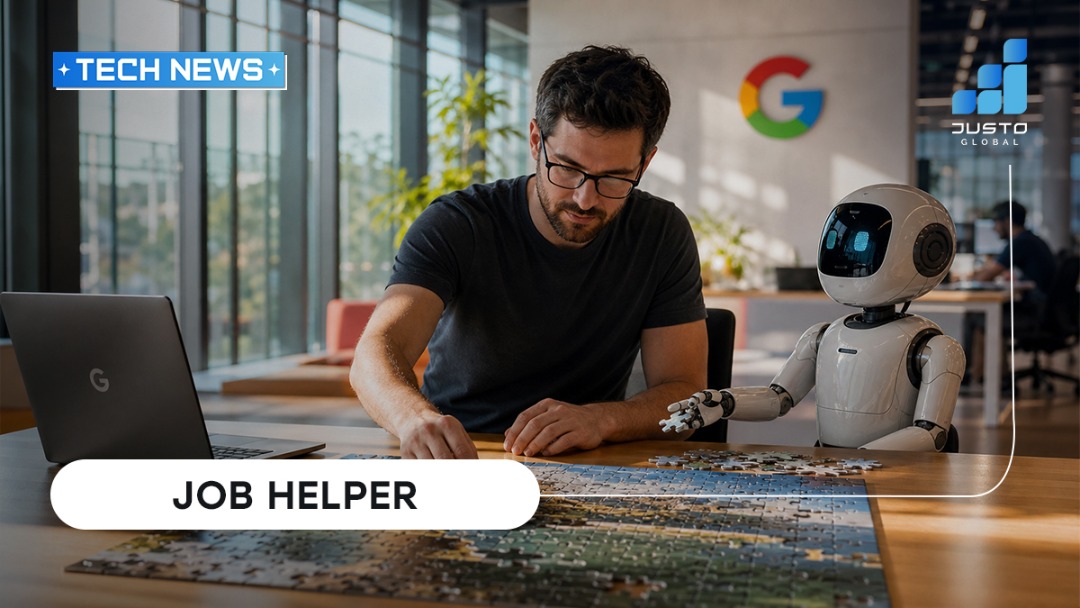
Google released its first ATLAS report based on nearly 15 million de-identified interactions with Gemini tools. The study looked at usage across more than 800 occupations and 4,000 tasks in over 150 countries. Researchers found AI reaches a wide range of jobs that cover most US employment. Yet it only touches about 21 percent of tasks in a typical role. Most interactions focus on things like drafting, reviewing, and ideation instead of full automation. Fewer than 10 percent of workplace uses result in end-to-end task completion. Over 86 percent of conversations happen outside work settings. Blue collar roles like mechanics also use it for practical help such as image-based diagnostics. The pattern holds that AI currently acts more as a collaborator than a job replacer.



Google released its first ATLAS report based on nearly 15 million de-identified interactions with Gemini tools. The study looked at usage across more than 800 occupations and 4,000 tasks in over 150 countries. Researchers found AI reaches a wide range of jobs that cover most US employment. Yet it only touches about 21 percent of tasks in a typical role. Most interactions focus on things like drafting, reviewing, and ideation instead of full automation. Fewer than 10 percent of workplace uses result in end-to-end task completion. Over 86 percent of conversations happen outside work settings. Blue collar roles like mechanics also use it for practical help such as image-based diagnostics. The pattern holds that AI currently acts more as a collaborator than a job replacer.