
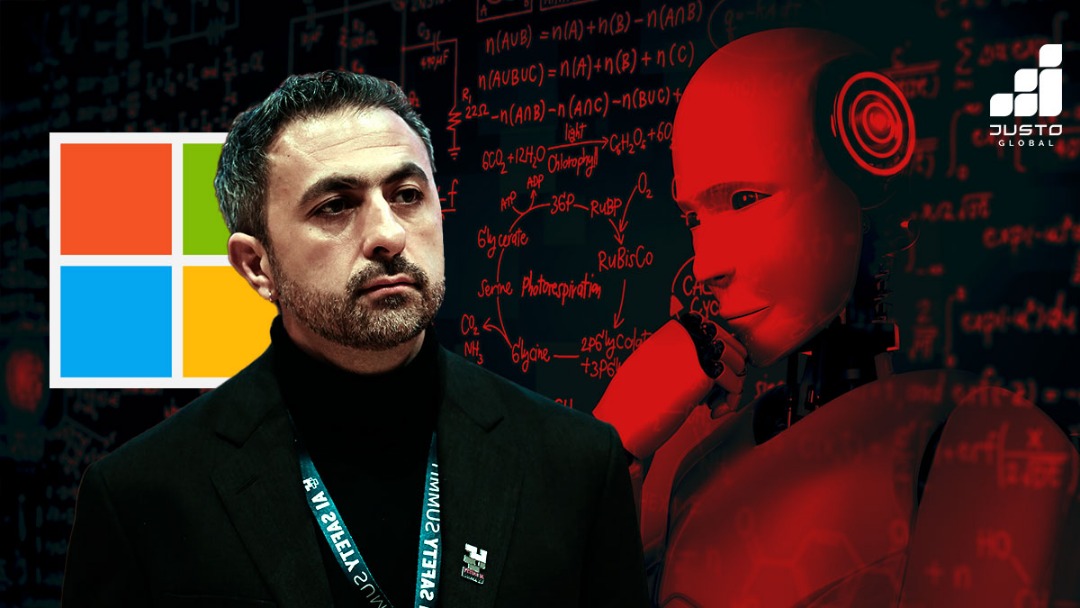
Mustafa Suleyman, Microsoft’s AI chief, warns that exploring AI consciousness is "both premature, and frankly dangerous." He argues that acknowledging potential AI consciousness may worsen human-centric issues, such as unhealthy attachments to chatbots, while contributing to societal divisions. Contrarily, rival firms like Anthropic and OpenAI advocate for researching AI welfare, reflecting a growing industry schism over the treatment and rights of intelligent systems. The debate over AI rights is expected to intensify as technologies evolve.



Mustafa Suleyman, Microsoft’s AI chief, warns that exploring AI consciousness is "both premature, and frankly dangerous." He argues that acknowledging potential AI consciousness may worsen human-centric issues, such as unhealthy attachments to chatbots, while contributing to societal divisions. Contrarily, rival firms like Anthropic and OpenAI advocate for researching AI welfare, reflecting a growing industry schism over the treatment and rights of intelligent systems. The debate over AI rights is expected to intensify as technologies evolve.