
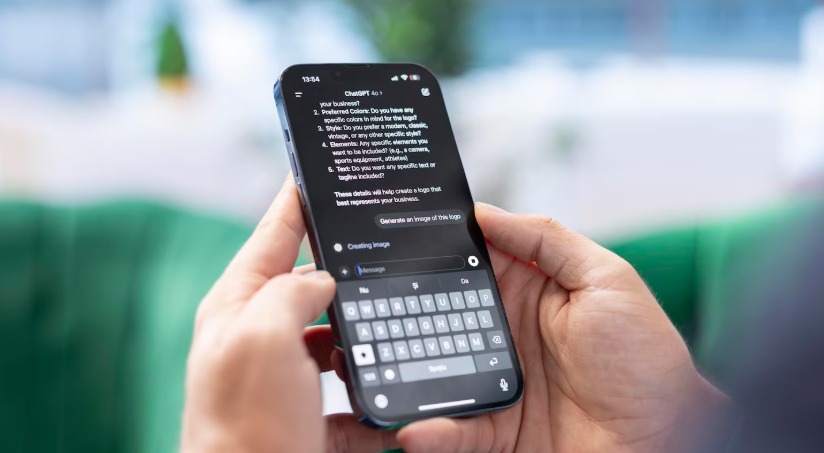
OpenAI will start adding an invisible watermark to text generated by ChatGPT and Codex in the European Union to comply with the EU AI Act. The Act’s transparency rules, which took effect on 2 August, require AI companies to mark AI-generated content so other systems can identify it. The watermark will roll out over the coming weeks to eligible ChatGPT and Codex users on all plans, but only in the EU. Developers using the OpenAI API anywhere in the world can turn it on for select models; it is off by default. OpenAI is not making text watermarking a global default at launch. The method, called textGrain, subtly shapes the model’s word choices to leave a pattern that readers cannot see but a detector can pick up. The signal travels with the text when it is copied. OpenAI said the watermark does not identify the user and did not meaningfully change model performance. Detector access is initially limited to approved researchers and expert organizations.



OpenAI will start adding an invisible watermark to text generated by ChatGPT and Codex in the European Union to comply with the EU AI Act. The Act’s transparency rules, which took effect on 2 August, require AI companies to mark AI-generated content so other systems can identify it. The watermark will roll out over the coming weeks to eligible ChatGPT and Codex users on all plans, but only in the EU. Developers using the OpenAI API anywhere in the world can turn it on for select models; it is off by default. OpenAI is not making text watermarking a global default at launch. The method, called textGrain, subtly shapes the model’s word choices to leave a pattern that readers cannot see but a detector can pick up. The signal travels with the text when it is copied. OpenAI said the watermark does not identify the user and did not meaningfully change model performance. Detector access is initially limited to approved researchers and expert organizations.