
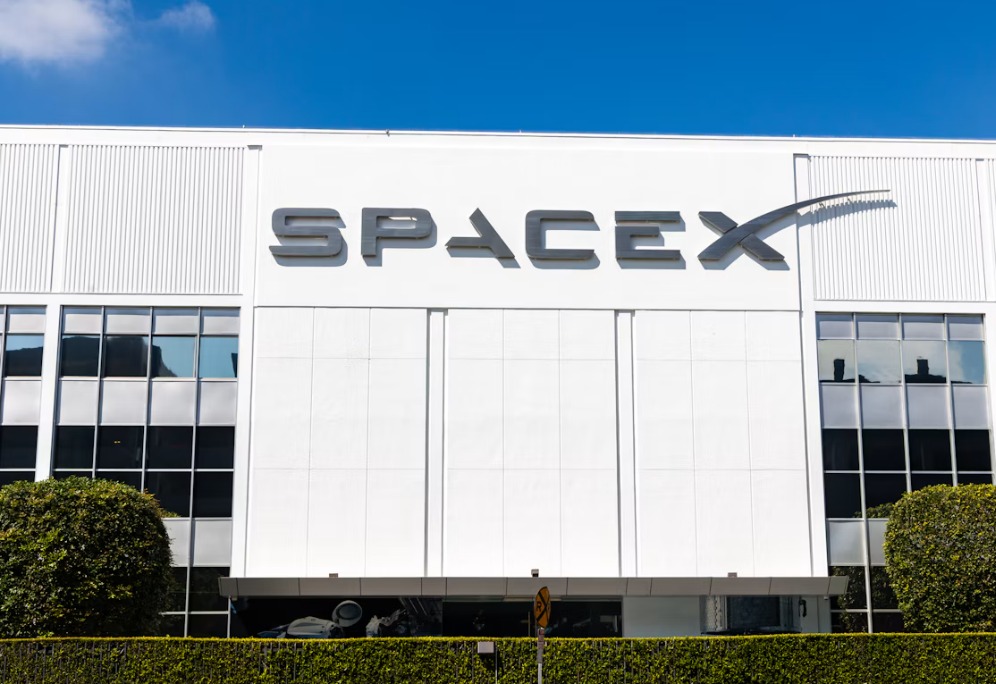
The US Federal Communications Commission has authorized SpaceX to deploy up to one million solar-powered satellites under its Starmind constellation for orbital AI data centers. The approval, issued on 25 November 2026, is the first of its kind for a full constellation of space-based compute modules. SpaceX must begin deployment by November 2033, place at least 100,000 satellites in orbit by November 2035, and reach 50 percent of the authorized total by November 2038. The company argues that near-constant solar power and passive radiative cooling will cut energy costs compared with ground-based centers. Amazon’s Leo unit, Viasat, and the American Astronomical Society filed objections over scale, feasibility, and interference with optical astronomy; the FCC dismissed those concerns as outside its authority. SpaceX is betting on Starship to enable the launches.



The US Federal Communications Commission has authorized SpaceX to deploy up to one million solar-powered satellites under its Starmind constellation for orbital AI data centers. The approval, issued on 25 November 2026, is the first of its kind for a full constellation of space-based compute modules. SpaceX must begin deployment by November 2033, place at least 100,000 satellites in orbit by November 2035, and reach 50 percent of the authorized total by November 2038. The company argues that near-constant solar power and passive radiative cooling will cut energy costs compared with ground-based centers. Amazon’s Leo unit, Viasat, and the American Astronomical Society filed objections over scale, feasibility, and interference with optical astronomy; the FCC dismissed those concerns as outside its authority. SpaceX is betting on Starship to enable the launches.