
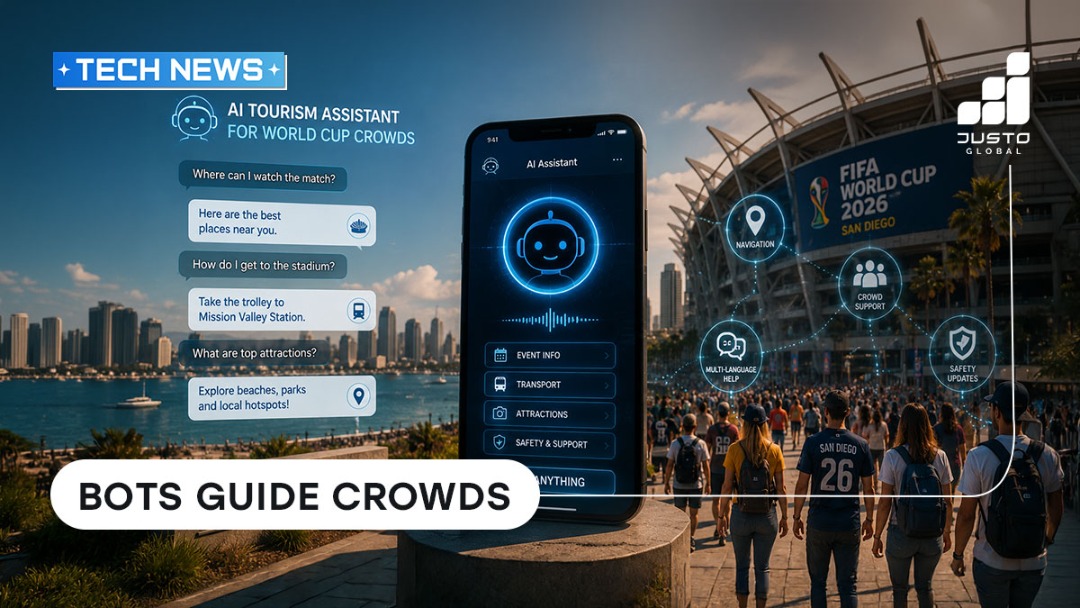
Researchers at UC San Diego worked on an AI tourism assistant designed to manage crowds during the World Cup. The tool aims to provide helpful information and guidance to visitors. It handles queries about locations, schedules, and navigation in busy settings. Preparation involved training on large datasets and testing scenarios with high visitor numbers. The system uses natural language processing to respond accurately. This effort demonstrates collaboration between academia and practical needs for major events. For companies it illustrates AI use in tourism and service industries. Employers in various sectors view such tools as ways to improve experiences without replacing staff entirely. The assistant complements human workers by managing routine questions. Success depends on accurate data and smooth performance under load. Businesses can learn from this approach when building their own AI support systems. It points to opportunities in specialized applications.



Researchers at UC San Diego worked on an AI tourism assistant designed to manage crowds during the World Cup. The tool aims to provide helpful information and guidance to visitors. It handles queries about locations, schedules, and navigation in busy settings. Preparation involved training on large datasets and testing scenarios with high visitor numbers. The system uses natural language processing to respond accurately. This effort demonstrates collaboration between academia and practical needs for major events. For companies it illustrates AI use in tourism and service industries. Employers in various sectors view such tools as ways to improve experiences without replacing staff entirely. The assistant complements human workers by managing routine questions. Success depends on accurate data and smooth performance under load. Businesses can learn from this approach when building their own AI support systems. It points to opportunities in specialized applications.