
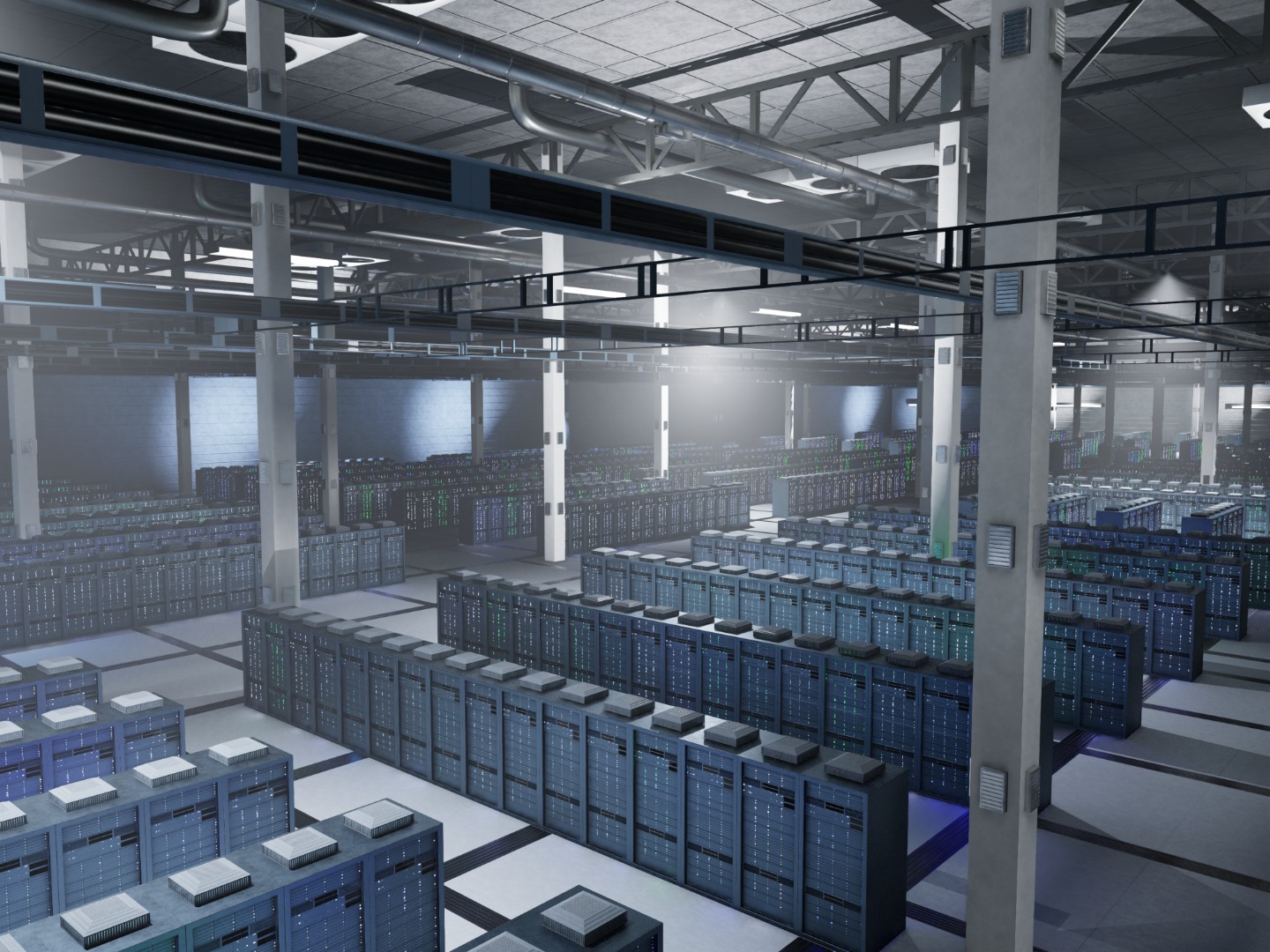
The White House Office of Science and Technology Policy has rewritten the Critical and Emerging Technologies list for the first time since February 2024. The new version shrinks the list from 18 categories to 14. Advanced cloud services, high-performance data storage, data centers, batteries, grid integration, gas turbine engines, and augmented and virtual reality were removed. Post-quantum cryptography, integrated photonics, high-entropy alloys, and hardened operating systems for consumer use were added. Federal agencies use the list for export controls, foreign investment screening, research funding and R&D priorities. Data centers were dropped even as the industry builds at record pace, matching guidance that agencies should complement rather than compete with private investment. Clean energy generation and storage was narrowed to a nuclear-only category. The semiconductor section gained integrated photonics and named 2D materials as an example of novel materials.



The White House Office of Science and Technology Policy has rewritten the Critical and Emerging Technologies list for the first time since February 2024. The new version shrinks the list from 18 categories to 14. Advanced cloud services, high-performance data storage, data centers, batteries, grid integration, gas turbine engines, and augmented and virtual reality were removed. Post-quantum cryptography, integrated photonics, high-entropy alloys, and hardened operating systems for consumer use were added. Federal agencies use the list for export controls, foreign investment screening, research funding and R&D priorities. Data centers were dropped even as the industry builds at record pace, matching guidance that agencies should complement rather than compete with private investment. Clean energy generation and storage was narrowed to a nuclear-only category. The semiconductor section gained integrated photonics and named 2D materials as an example of novel materials.