
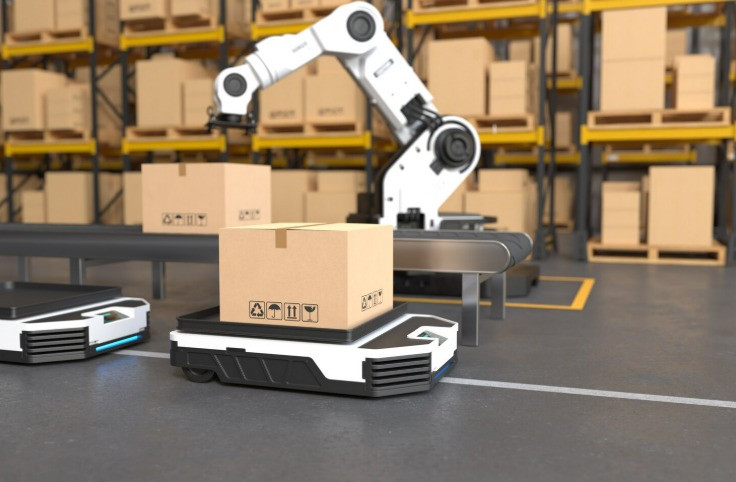
AI-powered palletising systems are gaining ground in warehouses that struggle with mixed package sizes and labour shortages. A Future Market Insights report projects the global AI palletising and depalletising market will rise from $1.8 billion in 2026 to $9 billion by 2036. That works out to a 17.5 per cent compound annual growth rate. Traditional robots follow fixed programs and work best with uniform boxes. They struggle with mixed cartons, irregular packaging or damaged goods. AI systems use computer vision, machine learning and robotic arms to recognise products, find safe gripping points and build stable stacks without constant reprogramming. Cameras check for damage while algorithms adjust patterns on the fly. E-commerce has increased the variety of stock-keeping units warehouses handle. Staffing shortages for heavy lifting jobs add pressure. Food and beverage, consumer goods, third-party logistics and pharmaceutical firms are among the early adopters.



AI-powered palletising systems are gaining ground in warehouses that struggle with mixed package sizes and labour shortages. A Future Market Insights report projects the global AI palletising and depalletising market will rise from $1.8 billion in 2026 to $9 billion by 2036. That works out to a 17.5 per cent compound annual growth rate. Traditional robots follow fixed programs and work best with uniform boxes. They struggle with mixed cartons, irregular packaging or damaged goods. AI systems use computer vision, machine learning and robotic arms to recognise products, find safe gripping points and build stable stacks without constant reprogramming. Cameras check for damage while algorithms adjust patterns on the fly. E-commerce has increased the variety of stock-keeping units warehouses handle. Staffing shortages for heavy lifting jobs add pressure. Food and beverage, consumer goods, third-party logistics and pharmaceutical firms are among the early adopters.