
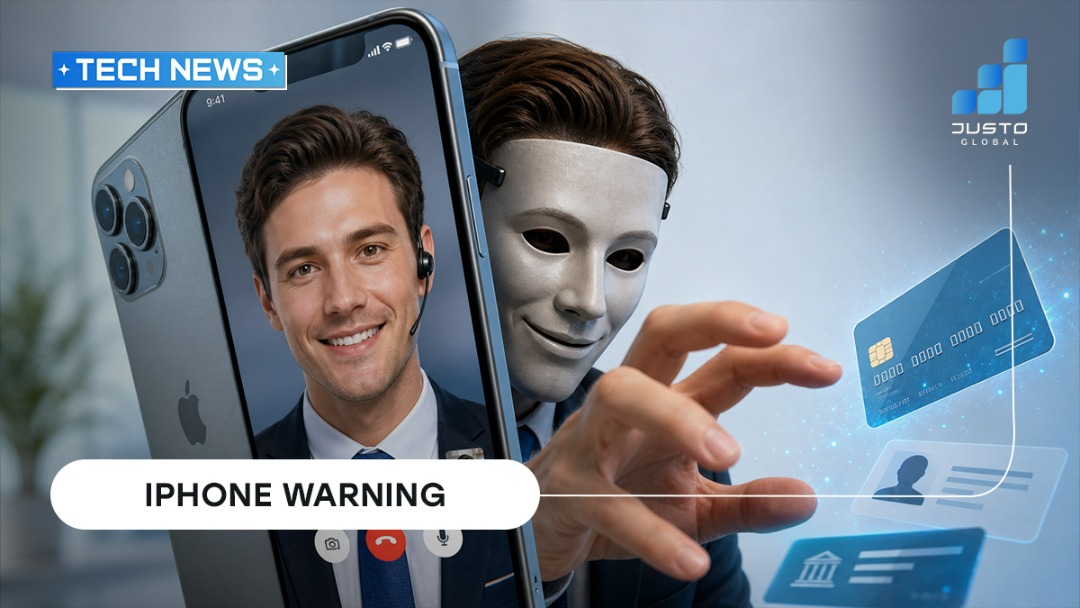
Apple has warned iPhone users that scammers are using FaceTime to impersonate bank employees, government officials, tech support, and others. The video calls help fraudsters build trust and make their stories seem real. Scams often start with a text about suspicious bank activity. Victims then get pulled into a FaceTime call for fake verification. Scammers may ask for screen sharing, passwords, security codes, or money transfers. Apple says the platform itself is not hacked. Criminals just use it because video feels more legitimate than regular calls. They sometimes pretend to be police or other authorities. To report suspicious FaceTime calls, users can email a screenshot to reportfacetimefraud@apple.com. Apple advises never sharing personal details or following links from unexpected contacts.



Apple has warned iPhone users that scammers are using FaceTime to impersonate bank employees, government officials, tech support, and others. The video calls help fraudsters build trust and make their stories seem real. Scams often start with a text about suspicious bank activity. Victims then get pulled into a FaceTime call for fake verification. Scammers may ask for screen sharing, passwords, security codes, or money transfers. Apple says the platform itself is not hacked. Criminals just use it because video feels more legitimate than regular calls. They sometimes pretend to be police or other authorities. To report suspicious FaceTime calls, users can email a screenshot to reportfacetimefraud@apple.com. Apple advises never sharing personal details or following links from unexpected contacts.