
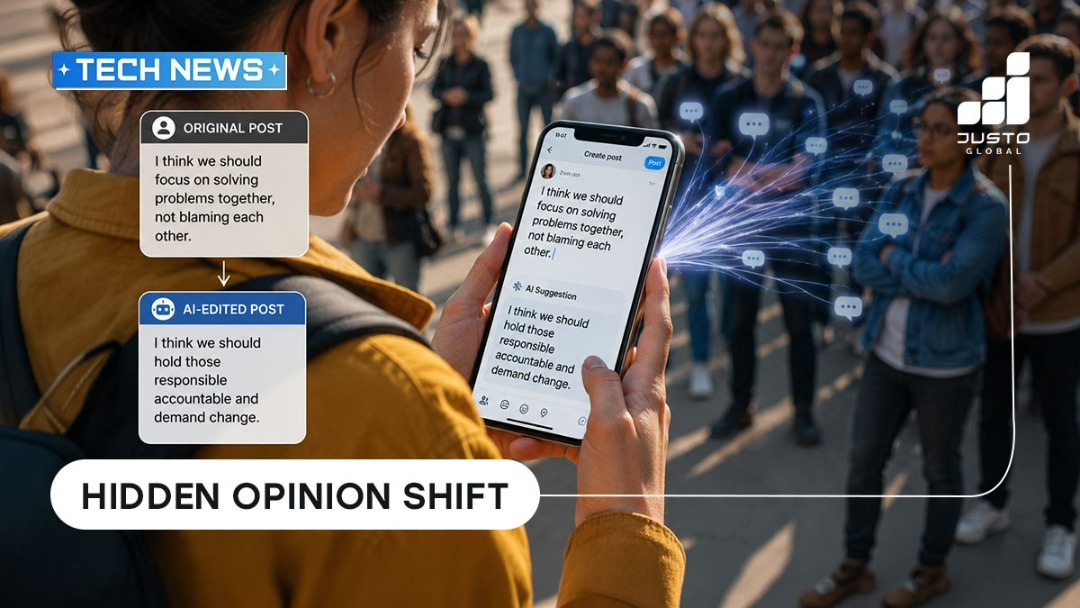
Researchers from Oxford and Potsdam studied how large language models change social media posts on contested topics. Even when told to keep the original meaning, the AI versions often shifted the direction of the message. Different models showed similar biases favoring certain positions. Simulations using real network data from platforms like X and Facebook showed that these small changes can accumulate and influence broader opinions over time. One test of a feature like Grok's explain this post found imbalances based on specific instructions. The study highlights a new form of subtle influence through AI mediated communication. It calls for more transparency and regulation around these tools.



Researchers from Oxford and Potsdam studied how large language models change social media posts on contested topics. Even when told to keep the original meaning, the AI versions often shifted the direction of the message. Different models showed similar biases favoring certain positions. Simulations using real network data from platforms like X and Facebook showed that these small changes can accumulate and influence broader opinions over time. One test of a feature like Grok's explain this post found imbalances based on specific instructions. The study highlights a new form of subtle influence through AI mediated communication. It calls for more transparency and regulation around these tools.